
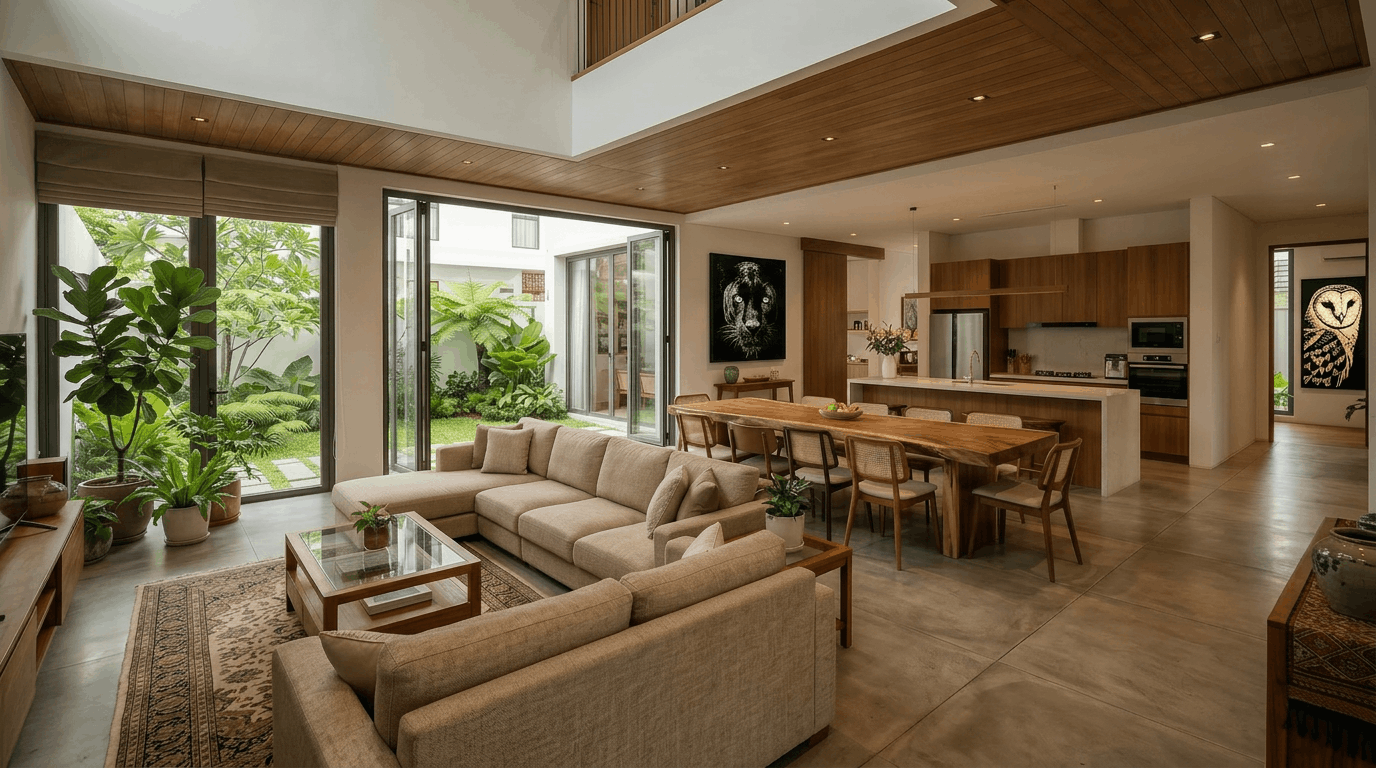
Multigenerational living has always been a common part of Malaysian culture. It is not unusual for grandparents, parents, and children to share the same household, particularly in landed properties such as terrace houses, semi-detached homes, and bungalows. While living together offers many benefits, it also presents unique design challenges that require careful planning and thoughtful space utilisation.
As family structures evolve and property prices continue to rise, more Malaysian homeowners are choosing to renovate their existing homes to better accommodate multiple generations under one roof. This has created growing demand for interior design solutions that balance privacy, comfort, accessibility, and family interaction.
Designing a multigenerational home is not simply about creating more bedrooms. It involves understanding how different family members live, work, rest, and interact with one another while ensuring that the home remains functional for years to come.
Why Multigenerational Living Remains Popular in Malaysia
Several factors contribute to the popularity of multigenerational living in Malaysia.
For many families, living together strengthens family relationships and allows different generations to support one another. Grandparents can help care for young children, while adult children can provide assistance to ageing parents.
Financial considerations also play a role. Sharing a home often reduces living expenses while allowing families to invest in larger properties that better suit long-term needs.
Because of these benefits, many homeowners are renovating their properties with multigenerational living in mind rather than purchasing separate homes.
Creating Private Spaces Within Shared Homes
One of the biggest challenges in multigenerational home design is balancing togetherness with privacy.
While family interaction is important, every generation also requires personal space. Parents may need quiet areas for work and relaxation, teenagers may want independence, and elderly family members may appreciate a peaceful environment away from busy household activities.
An experienced interior designer Malaysia homeowners trust will often create clearly defined zones within the home. This may involve separate lounges, private reading areas, dedicated workspaces, or independent bedroom suites that allow each family member to enjoy a sense of personal space while remaining connected to the household.
Designing Comfortable Shared Areas
Although privacy is important, shared spaces remain the heart of a multigenerational home.
Living rooms, dining areas, kitchens, and family spaces should be designed to encourage interaction and bring family members together. Open-plan layouts often work well because they create a sense of connection while maintaining flexibility.
A carefully planned family home design Malaysia project will ensure that shared spaces are comfortable, practical, and capable of accommodating different activities throughout the day.
This becomes especially important during family gatherings, celebrations, and everyday routines where multiple generations use the same space simultaneously.
Planning for Ageing Family Members
A successful multigenerational home should be designed with long-term accessibility in mind.
As parents and grandparents age, mobility requirements may change. Renovating with future accessibility considerations can help ensure that the home remains safe and comfortable without requiring major modifications later.
Wider walkways, non-slip flooring, accessible bathrooms, and thoughtfully planned bedroom locations can significantly improve long-term usability.
Many homeowners undertaking home renovation Malaysia projects are now incorporating age-friendly features during the renovation process as part of future planning.
Flexible Spaces for Changing Family Needs
Family requirements rarely remain static.
Children grow older, work arrangements change, and household structures evolve over time. As a result, flexibility is one of the most important elements of multigenerational home design.
Rooms that can adapt to different purposes provide greater long-term value. A study room may eventually become a guest room. A children’s play area may later be converted into a home office. Flexible design solutions help ensure that the home continues to support the family’s needs for many years.
This adaptability is one of the reasons many homeowners choose custom interior design Malaysia solutions rather than fixed renovation packages.
Storage Becomes More Important as Families Grow
Larger households naturally require more storage.
Without proper planning, clutter can quickly become a challenge. Built-in cabinetry, multifunctional furniture, and integrated storage solutions help maintain organisation while preserving visual appeal.
Storage planning should be considered early in the design process to ensure that each family member has adequate space for personal belongings while keeping shared areas tidy and functional.
A well-designed storage strategy often contributes significantly to the overall comfort of the home.
Why Landed Properties Are Ideal for Multigenerational Living
Landed homes provide greater flexibility for accommodating larger families compared to most high-rise properties.
Terrace houses, semi-detached homes, and bungalows often offer additional rooms, outdoor areas, and opportunities for future expansion. This makes them particularly well-suited for multigenerational living arrangements.
A carefully planned landed house interior design project can transform these properties into highly functional homes that support multiple generations without sacrificing comfort or aesthetics.
For many Malaysian families, landed homes provide the ideal foundation for long-term family living.
Designing for the Future
Multigenerational living requires more than simply accommodating current needs. It requires planning for future lifestyle changes and ensuring that the home remains adaptable as the family evolves.
By considering privacy, accessibility, flexibility, and functionality during the design process, homeowners can create spaces that continue to serve their families for many years.
The most successful multigenerational homes are those that balance togetherness with independence, creating environments where every generation feels comfortable, respected, and connected.
As multigenerational living continues to play an important role in Malaysian family life, thoughtful interior design will remain essential in helping families create homes that truly support the people who live in them.